How to pay HMRC and what to do if you can’t make payment
Contents:
Get set up:
When and How to Pay:
And:
First things first
Our recommended go-to, first point of call for paying any of your HMRC liabilities is your HMRC Online Services Account.
If you haven’t already got an online account with HMRC, you can use this video as guidance to register for a Government Gateway Account (required to log in to your HMRC Online Services Account). You can then add your online services (the different taxes), e.g. PAYE or VAT, to your gateway account. You will need two separate user IDs and passwords if you want to access services as:
- An organisation (i.e. to view and pay Corporation Tax liabilities).
- An individual (i.e. to view and pay Personal Tax liabilities).
What can I do in my Online Services Account?
Once you are registered and logged in, you can switch through your services and check for any outstanding liabilities. It’s useful to do this as opposed to simply paying what we/your accountant tell you to pay in case:
- You have accrued interest on a late payment
- You have credit in your account
- You have missed a payment
- A payment has been miss-allocated
You can also view a record of previous payments and charges over a number of years.
Paying within your online account
Once you have got to this point, you can use the ‘Pay Now’ button to settle any of your liabilities online through the portal.
When and how to pay HMRC
PAYE and CIS
When
All payments must be made to HMRC by:
• the 22nd of the next tax month if you pay monthly
• the 22nd after the end of the quarter if you pay quarterly – for example, 22nd July for the 6th April to 5th July quarter
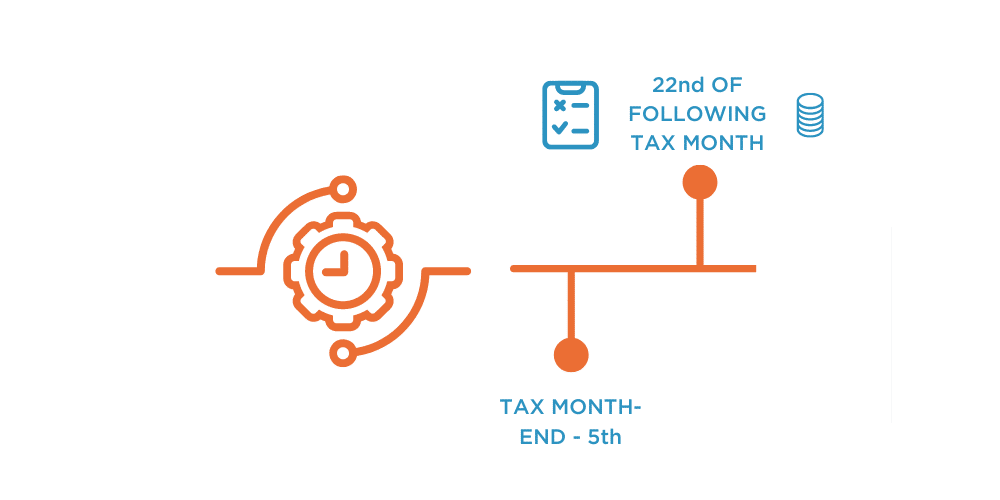
Note: HMRC will take seven days after the tax month end to update your online services account with your liability (i.e. your liability won’t display until the 12th).
If you plan on paying by cheque, all cheques must reach HMRC by the 19th of the month.
At The Hospitality Accountants, we let our customers know when to pay and provide your 13-character accounts office number, which you may also need to make payment (depending on which payment method you choose).
How
In addition to making payments online through HMRC’s online services account, you can also pay PAYE and CIS via BACS, Direct Debit, by approving a payment through your online bank account, over the phone, by cheque or at your bank.
Further details about how to pay HMRC for PAYE and CIS: https://www.gov.uk/pay-paye-tax
Further details about paying Class 1A NI: https://www.gov.uk/pay-class-1a-national-insurance
You can now set up a Direct Debit to make automatic PAYE/CIS payments.
VAT
When
Depending on your VAT scheme, there are different rules for the VAT payment deadlines. Before paying your VAT bill, ensure your deadline has not passed. Your deadline will be shown on your VAT return.
There are different deadlines if you use:
The most common form of VAT Returns submitted are Quarterly VAT Returns. The payments for these types of VAT Returns are due one month and seven days after the VAT quarter end.
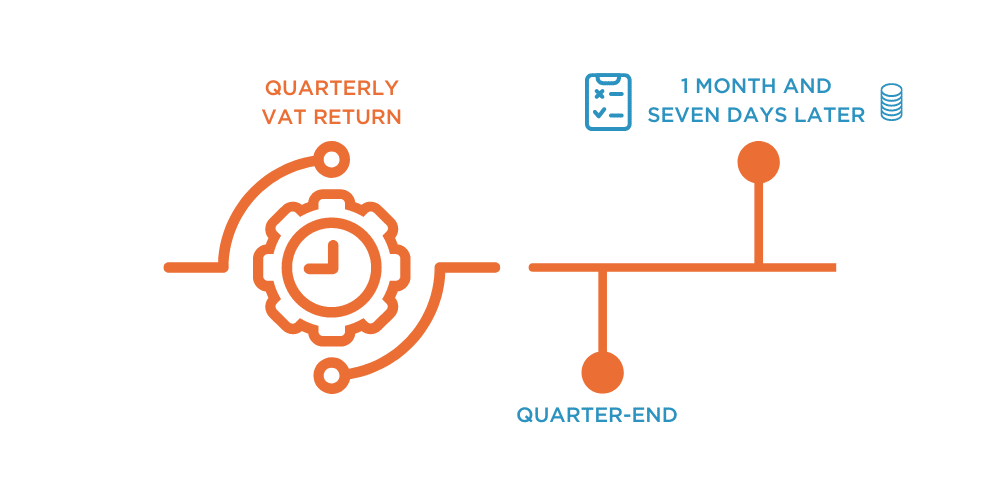
The deadlines to actually make payment will also vary depending on how you decide to pay. Check out HMRC’s VAT Payment Deadline Calculator to work out the VAT payment deadline for your accounting period. You can’t use this calculator if you make payments on account or use the annual accounting scheme.
How
Once again, in addition to paying through your Online Services Account, HMRC gives you further options of paying via BACS, Direct Debit, by approving a payment through your online bank account, over the phone, or at your bank.
Unlike PAYE, your VAT Direct Debit will automatically request payment of the correct amount if the VAT Return has been submitted. This is our preferred option, you just need to make sure that your selected bank account has sufficient funds each period to be able to make the payment.
Further details on how to pay your VAT liability can be found at: https://www.gov.uk/pay-vat
Corporation Tax
When
Most small to medium companies must pay within nine months and one day of the accounting period-end. i.e. if your company’s accounting period ends 31 March, your Corporation Tax will be due by 1st January the following year.
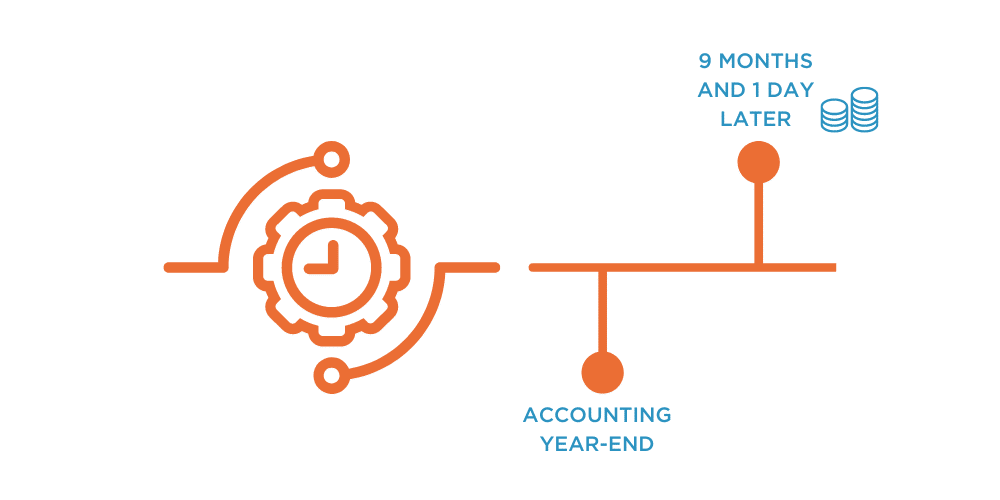
The latest point you can make the payment in time will vary depending on your preferred payment method.
How
In addition to making payments online through HMRC’s online services account, you can also pay Corporation Tax via BACS, Direct Debit, by approving a payment through your online bank account, over the phone, or at your bank.
Depending on the option you choose to make a payment, you may need an Accounting period reference. We provide all The Hospitality Accountants customers with the reference required, but you can also find this reference on your company’s Online Services Account or on the Corporation Tax demand that you will have received through the post. The code changes each accounting period, so you need to ensure the code used refers to the correct accounting period-end.
Further details around paying Corporation Tax are available at: https://www.gov.uk/pay-corporation-tax
Self-Assessment
When
The deadline for paying your Self Assessment tax liability is usually the 31st of January following the tax year-end.
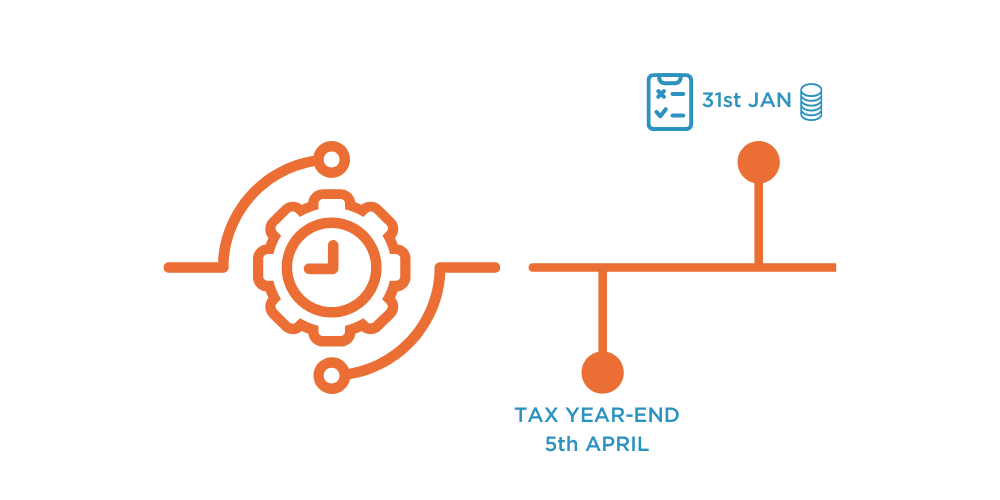
However, if you have payments on account to make, then you will have two payments each year:
- 31st January, and
- 31st July
For more information on how the Payments on Account system works, check out our Understanding Tax Payments on Account blog.
How
In addition to making payments online through HMRC’s online services account, you can also pay your Self Assessment Tax via Direct Debit, by approving a payment through your online bank account, over the phone, by debit or credit card online, by cheque or at your bank.
You can also set up a Budget Payment Plan if you want to make regular monthly or weekly payments towards your next tax bill
Further details around paying your Self Assessment tax liability can be found at: https://www.gov.uk/pay-self-assessment-tax-bill
You can find detailed information about how to pay HMRC for all the above, and more at: https://www.gov.uk/topic/dealing-with-hmrc/paying-hmrc
Late Payment Interest and Penalties
Interest
If you don’t make a tax payment to HMRC in full by the due date, HMRC will apply a daily interest charge on the amount outstanding until the bill is paid. The percentage of interest applied each year varies depending on the Bank of England’s base rate and is charged to reflect the fact that HMRC would otherwise be effectively giving you an interest-free loan while the tax is outstanding.
Penalties
For details on the penalties applied to late PAYE and CIS payments, please see: https://www.gov.uk/guidance/what-happens-if-you-dont-pay-paye-and-national-insurance-on-time
For details on the penalties applied to late VAT payments, please see: https://www.gov.uk/submit-vat-return/surcharges-and-penalties
There are no penalties for paying your Corporation Tax late.
You can estimate your penalty for late Self Assessment payment by clicking here: https://www.gov.uk/estimate-self-assessment-penalties
What if I can’t pay?
If you are able to pay your tax liability in full, you should do so as soon as possible. This will stop more penalty charges and interest from being added to your tax liability.
If you cannot fully pay any of your tax liabilities, contact HMRC as soon as possible to discuss the support available. Do not wait for the payment to become overdue.
HMRC may suggest you pay what you owe in installments. This is called a Time to Pay arrangement.
Further detail on Time to Pay arrangements and how to contact HMRC are available at: https://www.gov.uk/difficulties-paying-hmrc